Taking Care of Your Gums
September 28, 2026
What You Should Know About Periodontal Disease
Have you noticed a little blood in the sink after brushing your teeth? Maybe your gums have been tender lately, or you've noticed that a few teeth look longer than they used to. These are things worth mentioning to Dr. Spaulding, even if your teeth feel perfectly fine.

Gum disease, or periodontal disease, is something we see fairly often. It usually begins with plaque collecting around the teeth, especially along the gumline. The bacteria in that plaque irritate the gums, sometimes leaving them red, swollen, or more likely to bleed.
When that irritation continues, the gums may begin to separate from the teeth. Small pockets form where bacteria and tartar can collect, and eventually the infection and inflammation can affect the bone underneath. You may not feel any discomfort, even when there's already been some damage.
What Does Treatment Involve?
That depends on what Dr. Spaulding finds during your examination. If the problem is caught while it's still gingivitis, a professional cleaning along with more careful brushing and flossing at home may be all that's needed.
For patients with periodontitis, Dr. Spaulding may recommend scaling and root planing. It's a deeper type of cleaning that reaches underneath the gums to remove buildup from the tooth roots. She'll also smooth the roots where needed, making it easier for the gum tissue to heal.
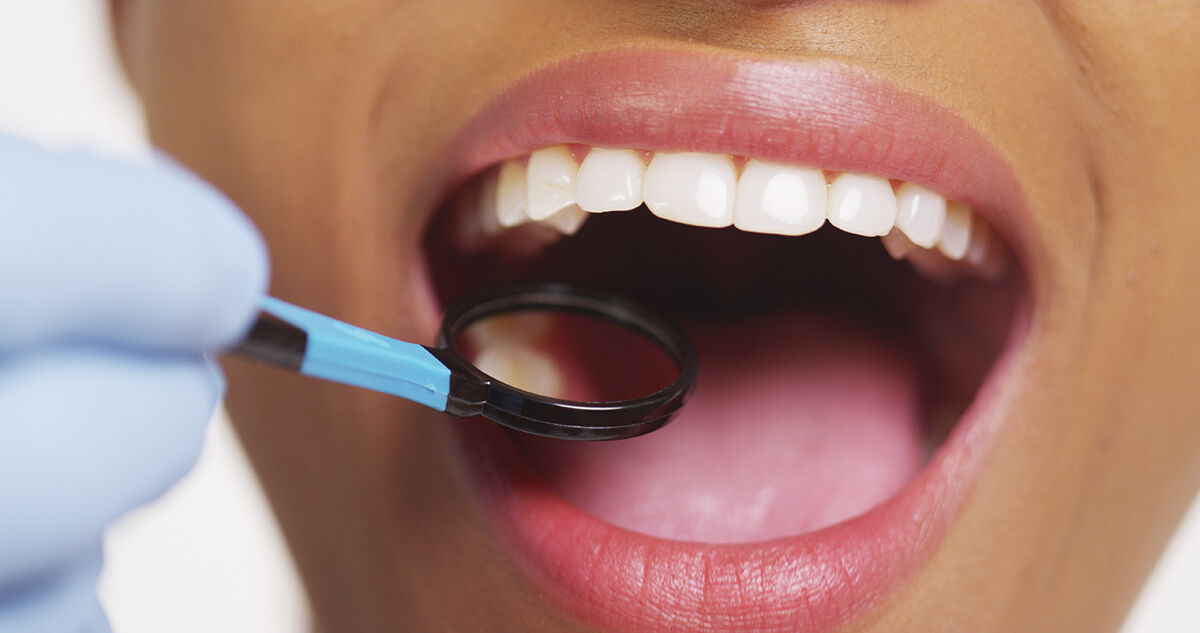
Depending on the condition of your gums, you may need several appointments to complete treatment. More serious cases sometimes call for additional procedures or a visit with a periodontal specialist.
Once treatment is finished, Dr. Spaulding may recommend coming in for periodontal maintenance more often than you would for routine cleanings. These visits help manage the bacteria and buildup that can cause problems to return.
What About the Damage Already Done?
While inflamed gums can heal, bone that's been lost to periodontal disease generally won't return on its own. That's one reason Dr. Spaulding likes to address gum problems sooner rather than later.
Still, having some recession or bone loss doesn't necessarily mean you'll lose your teeth. Many people can keep their periodontal disease under control for years with treatment and regular care.
If something about your gums doesn't seem quite right, bring it up at your next visit. Dr. Spaulding can take a look, explain what she's seeing, and help you decide what to do from there.